When a toddler reaches the age of two, parents often wonder if their child is following the expected milestones. Are they on the same track as their peers, or might they need a bit more support? Understanding the key differences between autism and typical developmental delays in toddlers can feel like navigating a maze—one wrong turn, and you might end up in a room you didn't know existed. This guide will help you spot the clues, ask the right questions, and make informed choices, all while keeping the tone light enough to avoid feeling like you’re stuck in a lecture hall.
Understanding the Basics: Autism vs. Developmental Delays
What Is Autism Spectrum Disorder?
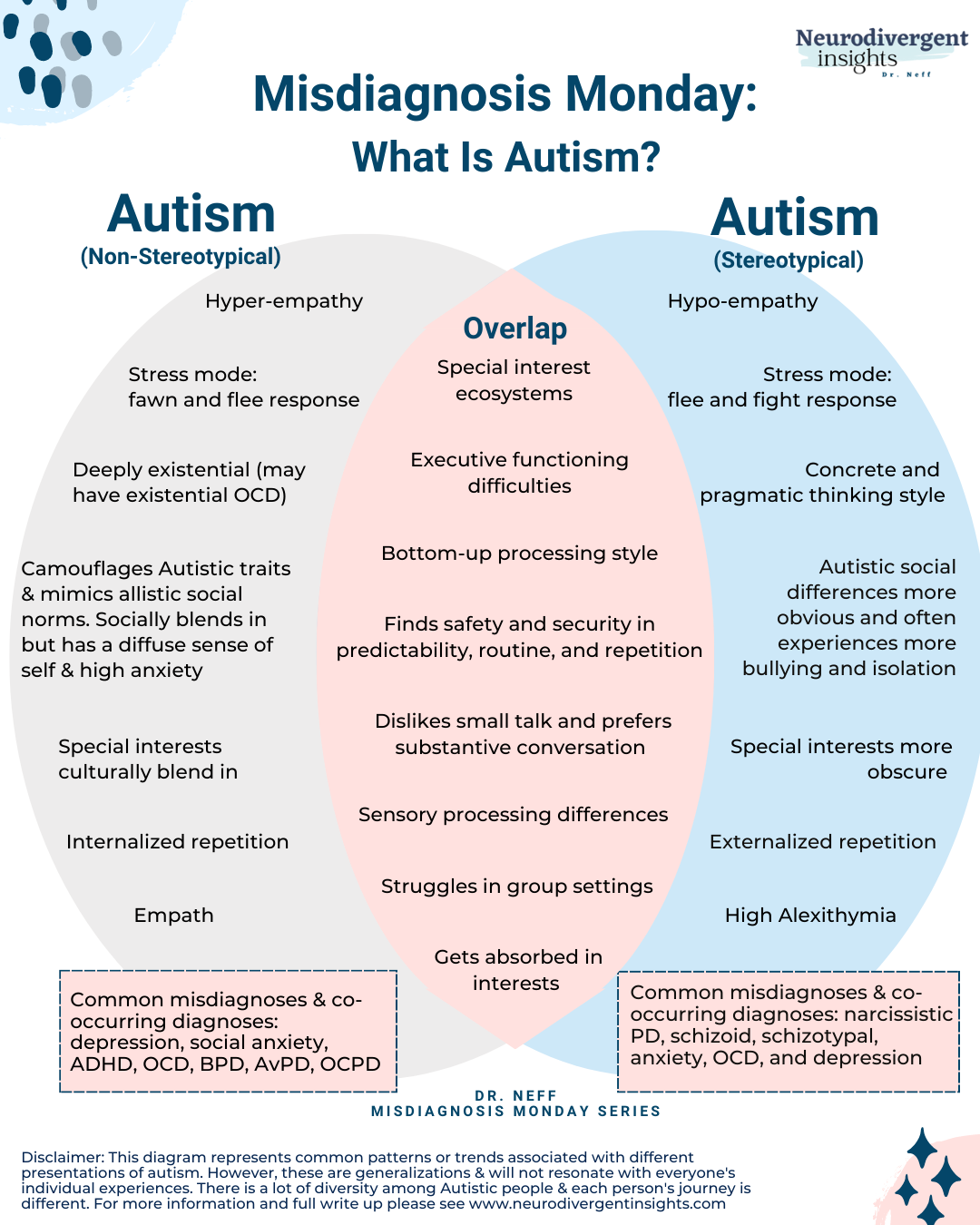
Autism spectrum disorder (ASD) is a neurodevelopmental condition that affects how a child perceives and interacts with the world. It’s a spectrum, meaning symptoms can range from mild to severe. Key features often include challenges with social communication, repetitive behaviors, and sensory sensitivities. Think of ASD as a unique wiring pattern that can make everyday interactions feel like trying to solve a puzzle with missing pieces.
What Are Typical Developmental Delays?
Typical developmental delays Restricted interests refer to a slower-than-average progress in one or more developmental domains—language, motor skills, social interaction, or cognition—without a specific underlying neurological condition. These delays can stem from a variety of causes such as prematurity, low birth weight, or a single nutrient deficiency. Unlike ASD, developmental delays usually improve over time with targeted support, much like a plant that needs the right amount of water and sunlight to thrive.
Core Differences in Early Childhood
Social Interaction and Communication
- Autism: Children may show limited eye contact, prefer solitary play, or struggle to initiate or respond to conversations. Their “language” might be delayed, but once they start speaking, it can be unusually precise or stilted. Developmental Delays: Social and communicative challenges often coexist with other delays. A child might babble late but still enjoy interactive play once language skills catch up.
Repetitive Behaviors and Interests
- Autism: Repetitive movements (hand-flapping, rocking) and intense focus on specific interests (e.g., trains, numbers) are common. These behaviors can serve as coping mechanisms in an overwhelming sensory world. Developmental Delays: Repetitive play is less pronounced and usually tied to a single developmental area, such as a child who repeatedly stacks blocks but otherwise engages with peers.
Sensory Sensitivities
- Autism: Over- or under-responsiveness to sensory input—like being startled by a soft whisper or craving constant motion—is a hallmark. Sensory processing issues can profoundly affect daily life. Developmental Delays: Sensory issues may appear but are typically less pervasive. A child might dislike certain textures but otherwise responds normally to sensory cues.
Developmental Trajectories Over Time
Language Progression
- Autism: Language acquisition can be uneven. Some children develop a rich vocabulary but struggle with pragmatic aspects (turn-taking, understanding figurative language). Others may be nonverbal. Developmental Delays: Language delay is usually linear; once the child starts speaking, they tend to catch up to peers over time, especially with speech therapy.
Cognitive Growth
- Autism: Cognitive abilities can vary widely. A child may excel in visual-spatial tasks yet face challenges in abstract reasoning or executive function. Developmental Delays: Cognitive delays often mirror language and motor delays, improving with consistent support.
Adaptive Skills
- Autism: Daily living skills—like dressing, feeding, and toileting—may require targeted instruction and reinforcement. Developmental Delays: Adaptive skill gaps tend to align with the specific developmental area in deficit and improve as that area strengthens.
The Role of Assessment and Diagnosis
Screening Tools and Timelines
- Autism: Standardized tools such as the Modified Checklist for Autism in Toddlers (M-CHAT) are used around 18–24 months. A positive screen prompts a comprehensive evaluation. Developmental Delays: The Ages and Stages Questionnaires (ASQ) help identify broad delays. A red flag leads to a more detailed developmental assessment.
The Importance of Early Intervention
Early intervention is a game changer for both conditions. For autism, interventions like Applied Behavior Analysis (ABA) and speech therapy can improve social and communication outcomes. For developmental delays, targeted therapies—whether speech, occupational, or physical—can accelerate progress. As the famous psychologist Jean Piaget once noted, “The child is a blank slate, and the world is a teacher.” The earlier the teacher starts, the richer the learning experience.
Practical Tips for Parents and Caregivers
- Observe Patterns: Notice if your child consistently avoids eye contact or engages in repetitive movements. Create a Structured Environment: Predictable routines help children feel secure, especially those with autism. Encourage Play: Use play as a window into your child’s interests and strengths. Seek Professional Guidance: Early assessment can make a significant difference. Connect with Support Groups: Sharing experiences with other parents can reduce isolation.
> “When we look at a child’s development, we’re not just seeing a timeline; we’re witnessing a story that unfolds differently for each individual.” – Dr. Emily Sanders
A Lighthearted Look at the Journey
Imagine a toddler as a tiny explorer discovering a vast jungle. Some explorers (autistic children) bring a compass that points in unexpected directions, while others (children with developmental delays) may need a map to find their way. Both paths are unique, but with the right tools, every explorer can navigate the terrain successfully.
Anecdote
When my niece, Lily, turned two, her Autism in Girls & Women parents noticed she was fascinated by the refrigerator magnets—she’d spend hours arranging them by shape. While this interest sparked joy, it also highlighted a pattern: she rarely engaged in parallel play with other children. A pediatrician suggested a developmental assessment, and it turned out Lily had mild autism. With early intervention, Lily’s social skills blossomed, and her magnet obsession became a creative outlet rather than a roadblock.
Charting the Course Ahead
Understanding the key differences between autism and typical developmental delays in toddlers isn’t just about labeling; it’s about tailoring support that respects each child’s unique strengths and challenges. Whether your child’s journey aligns with autism’s distinct wiring or a more generalized developmental delay, early recognition and intervention are the compass points that guide toward growth and confidence. If you’re noticing any red flags—or simply want to ensure your toddler is on a healthy path—consult a pediatric specialist today. Remember, every child’s story is worth reading, and with the right guidance, the chapters ahead can be bright and full of possibility.